Docent of the Cracks: I Gave My Neighborhood's Weeds Names, Backstories, and a Gift Shop
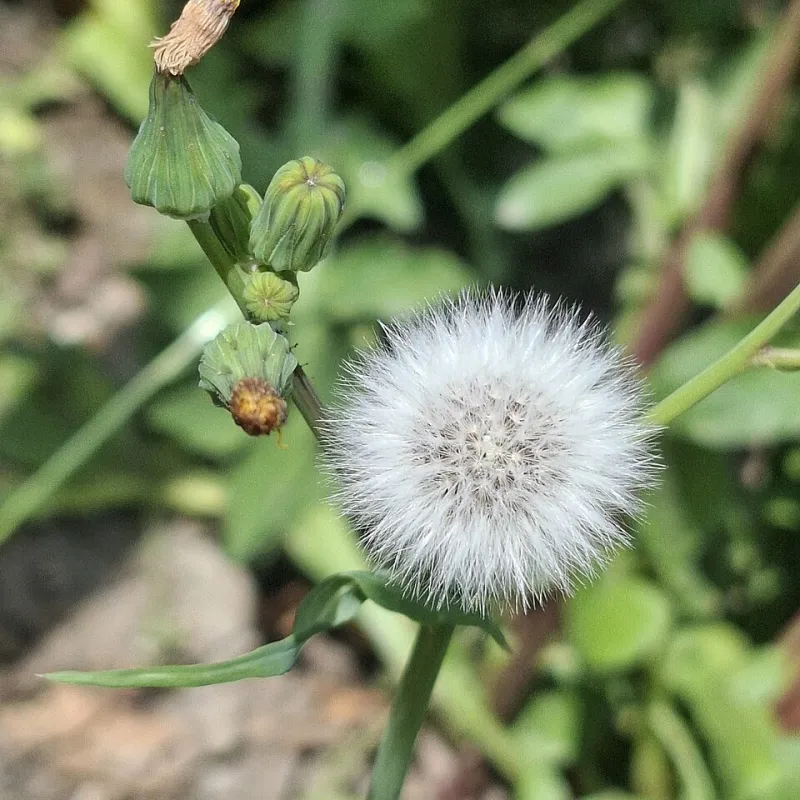
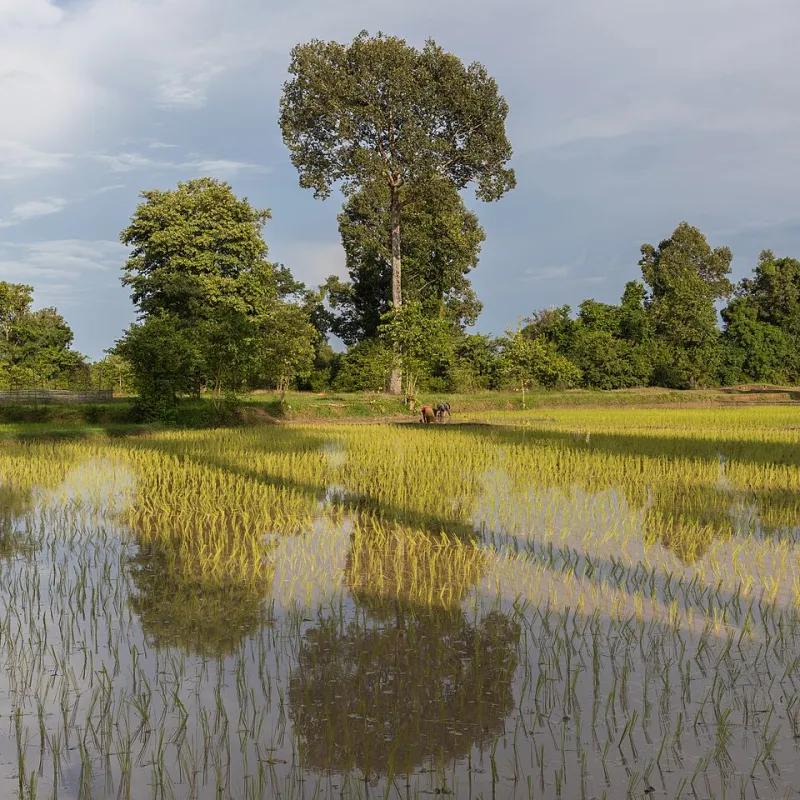
Photo: Sapna Sony, CC BY-SA 4.0, via Wikimedia Commons
It began, as most of my problems do, with a dandelion I refused to kill.
There's a vacant lot on the corner of 7th and Maple — fenced, weedy, technically owned by a holding company in Delaware that has never once, to my knowledge, looked at it. For years I walked past it the way everyone does: as a nothing, a placeholder, a rectangle of beige waiting for its real life to start. Then one April morning, a dandelion punched straight through the asphalt at the lot's edge, and I stopped. Really stopped. The way you'd stop for a street performer doing something slightly dangerous.
That plant had chosen violence. Against a parking lot. And won.
The First Docent Was Probably Also Unqualified
I did what any reasonable adult does when moved by urban flora: I went home and made a map. Not a mental map — an actual map, with a legend, on butcher paper. By the end of the week I had cataloged eleven specimens in the lot and its surrounding sidewalks, each assigned a name, a backstory, and — because I have no brakes — a personality.
There was Beatrice, the founding dandelion, whom I described on the map as "a survivor of three mowings and one attempted poisoning, still blooming, still unforgivable." There was The Bishop, a thistle that grew beside the bus stop like it was dispensing wisdom to commuters. A lamb's quarters near the hydrant became Gerald, who I decided was "retired, uncomplicated, mostly here for the sun."
My partner found the map on the kitchen table and asked if I was okay. I said yes, which was technically true in a way neither of us expected.
Foot Traffic for a Lot Nobody Wanted
Here's the thing about naming a weed: once it has a name, it's not a weed anymore. It's a neighbor. And once I saw these plants as neighbors, I couldn't unsee the whole ecosystem of overlooked greenery doing quiet, heroic work across the neighborhood.
The crack between the laundromat and the nail salon? Home to a colony of prostrate spurge I called The Flat Pack, because they spread like affordable furniture. The gutter by the library hosted a self-seeded sunflower — Big Marla — who grew to six feet out of roughly two inches of accumulated leaf gunk and pure audacity. Schoolkids started pointing at her on the way to class. A retired mail carrier told me he'd been secretly watering Marla for weeks. I had competition. I had, God help me, a fan base.
So I leaned in. I printed tour maps at the library (free, which is the correct price for anything involving lamb's quarters). I designed admission tickets — small letterpress-style cards reading "LOT NO. 7 & SURROUNDS: ADMIT ONE (YOU)" — and slipped them into neighbors' mailboxes. On Saturdays at 10 a.m., I gave tours. Attendance ranged from two people to eleven, depending on whether the farmers market was happening.
The Gift Shop Problem
Every museum needs a gift shop, and mine was no exception, except it existed only as a concept and a shoebox. Inside the shoebox: pressed-leaf bookmarks, seed packets labeled "Beatrice's Descendants — Sow Recklessly," and small framed portraits of Big Marla drawn from memory by a nine-year-old named Dee who became my most loyal docent-in-training.
I priced everything at zero dollars, payable in weeding labor or a good story about a plant. The economy thrived.
What I learned from the whole enterprise is embarrassingly simple: attention is the rarest form of landscaping. Nobody in this town hired a crew for that lot. Nobody zoned it for beauty. But a handful of people paying fifteen minutes of genuine notice turned a Delaware holding company's liability into something the neighborhood talks about — a green space that isn't green space, a park that isn't a park, held together by dandelions and one guy with butcher paper.
Keepers of the Unofficial
Lighthouses exist because ships keep passing in the dark. Vacant lots are the same deal — life keeps arriving whether or not anyone tends the light. The dandelions don't need me. Beatrice proved she could outlast asphalt, poison, and my entire municipal government's indifference.
But I need them, I think. Or at least I need the version of myself that stops at the curb, crouches down, and says good morning to a thistle by name.
The lot's still there. The map's on its third edition. Tours run Saturdays, weather and humility permitting. If you see a man in a wide-brimmed hat gesturing reverently at a gutter, that's me — the unofficial keeper of a lighthouse made of weeds, guiding foot traffic toward the only landmark in town that never once asked to be noticed.